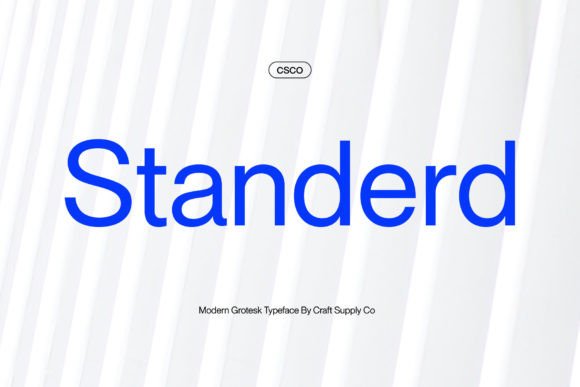
Standerd Font Review: A Modern Sans Serif for Branding
I was staring at a blank brand board last Tuesday, tasked with refreshing the visual identity for a local artisan coffee roaster. The client wanted something that felt approachable yet undeniably modern, steering clear of the overused geometric sans serifs that clutter every tech startup's website. That is when I pulled Standerd out of my library. As a designer who tests dozens of typefaces weekly, finding a Sans Serif that balances casual charm with professional readability is rare. This font immediately stood out because it feels wonderfully down-to-earth without sacrificing the clean lines required for high-end packaging and digital headers.
Why Standerd Works for Casual Yet Professional Logos
When working with Fonts for logo design, the biggest challenge is often finding a typeface that doesn't scream "template." Standerd solves this by offering a unique personality that feels both cool and grounded. In my test project, I set the coffee shop's name in bold weights, and the letterforms held their own beautifully. Unlike many modern Sans Serif options that can feel cold or robotic, this typeface has a subtle warmth in its curves and terminals. It creates an instant connection with the viewer, suggesting a brand that is friendly but serious about quality. For entrepreneurs and small business owners looking to establish a memorable mark, Standerd provides that perfect middle ground between playful and corporate.
Testing Readability on Packaging and Product Labels
A font might look great at 72 points on a screen, but the real test for any commercial Fonts selection is how it performs on physical products. I mocked up a bag label for the coffee project, shrinking the text down to include ingredient lists and brewing instructions. Standerd remained incredibly legible even at smaller sizes, a trait not all display-style sans serifs possess. Its open counters and consistent stroke width ensure that critical information is easy to read on a crowded shelf. If you are designing for skincare products, bakery boxes, or handmade goods, this versatility means you can likely use the same font family for both your primary logo and your secondary informational text, creating a cohesive brand system without needing to buy multiple licenses.
Using Standerd for Web Headers and Social Media Graphics
In the digital realm, Sans Serif typography needs to load fast and render sharply across devices. Standerd shines here as well. I dropped it into a website header mockup, and the clean geometry ensured it looked crisp on both retina displays and mobile screens. For social media managers and content creators, this font is a goldmine for Instagram stories and Pinterest pins. Its casual nature makes posts feel less like advertisements and more like genuine updates from a human being. When pairing Standerd with imagery, it allows the photos to breathe while still commanding attention. Whether you are a blogger or a marketing agency, using this typeface for headlines can significantly boost audience engagement by making your content feel accessible and inviting.
Pairing Standerd with Other Typography Styles
One of the most enjoyable aspects of working with Fonts like Standerd is discovering how well they play with others. While it stands strong on its own, it also serves as an excellent anchor for more decorative typefaces. In my branding exploration, I paired it with a flowing script font for accent words, creating a dynamic contrast that felt trendy yet timeless. Alternatively, pairing it with a classic serif font for body copy can elevate the perceived value of a brand, adding a touch of editorial sophistication to the overall layout. This flexibility makes it a staple for creative studios that need a reliable workhorse for diverse client projects. You aren't locked into one aesthetic; instead, you have a versatile tool that adapts to the mood you want to set.
Limitations and Best Practices for Commercial Use
While Standerd is incredibly versatile, no single Sans Serif is the solution for every design problem. Because of its distinct casual charm, it might not be the best fit for ultra-formal legal documents or traditional financial institutions that require a more conservative, authoritative tone. It thrives in lifestyle, retail, food and beverage, and creative industries. Before finalizing any client work, I always recommend testing the font in various contexts—print, web, and signage—to ensure it aligns with the specific brand voice. Additionally, always review the commercial licensing terms carefully. Whether you are using it for a logo, a template for sale, or merchandise, understanding the rights associated with the font file is crucial to avoiding legal issues down the road. Proper licensing ensures you can use this outstanding typeface confidently in any context.
Final Verdict on Adding Standerd to Your Toolkit
After spending a week integrating Standerd into a real-world branding project, it has earned a permanent spot in my go-to folder. It delivers on the promise of being cool, modern, and readable without trying too hard. For designers tired of sifting through generic libraries, this font offers a fresh perspective that feels current but not fleeting. Its ability to function as a logo font, a packaging staple, and a digital headline maker makes it a cost-effective addition for freelancers and agencies alike. If you are looking to inject some down-to-earth personality into your next project while maintaining a high standard of professionalism, giving Standerd a try is a decision you won't regret. It proves that sometimes the most effective design tools are the ones that simply feel right.