Modern Signal: A Modern Sans-Serif Typeface for Editorial Design
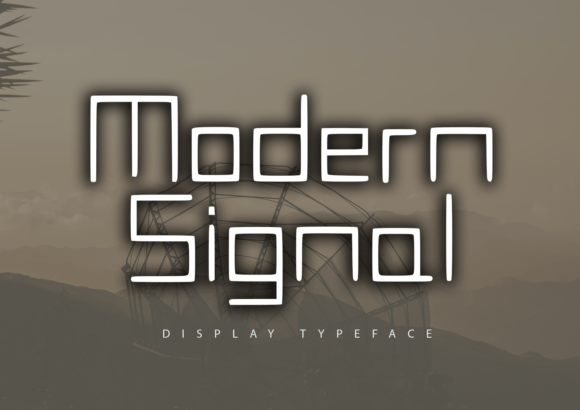
There is a specific moment in every editorial redesign project where the layout feels flat, no matter how beautiful the photography or how compelling the copy might be. I experienced this recently while refreshing the visual identity for a digital lifestyle magazine that needed to bridge the gap between organic storytelling and a futuristic aesthetic. The solution arrived not through a new color palette or a grid adjustment, but by selecting Modern Signal, a modern sans-serif typeface that can be used for branding, posters, apparel, merchandise, stickers, or anything that needs a modern and robotic look. Integrating these Fonts into the header hierarchy immediately transformed the publication, giving it a crisp, confident voice that felt both contemporary and timeless.
Creating Bold Branding with Modern Signal for Digital Magazines
When working on the cover story for our latest issue, the primary challenge was ensuring the title stood out against a busy, textured background without losing legibility. Modern Signal excels in this environment because its geometric structure provides a solid anchor for the eye. As a Sans Serif display font, it offers the clean lines necessary for high-impact headlines while maintaining enough character to avoid feeling sterile. The "robotic" quality mentioned in its description isn't cold or distant; rather, it provides a sense of precision and clarity that is essential for modern typography. By using this typeface for the main masthead and feature titles, we established a strong brand identity that readers could instantly recognize across social media graphics and web banners.
Enhancing Visual Hierarchy in Newsletter Headers and Course PDFs
Beyond the magazine cover, the versatility of Modern Signal became apparent when designing the accompanying newsletter and the downloadable course PDF for our subscribers. In digital products like coaching workbooks or printable planners, visual hierarchy is critical for guiding the reader through complex information. We utilized the bolder weights of these Fonts for section headers and pull quotes, creating a rhythmic flow that breaks up long blocks of text. Because Modern Signal is a modern sans-serif typeface that can be used for branding, posters, apparel, merchandise, stickers, or anything that needs a modern and robotic look, it adapts seamlessly from a large screen header to a small mobile notification. This consistency ensures that whether a subscriber is reading on a desktop or scanning a PDF on a tablet, the tone remains professional and engaging.
Designing Merchandise and Apparel with a Robotic Aesthetic
The scope of this project extended beyond digital screens into physical merchandise, a common need for independent content brands looking to deepen their connection with their audience. We decided to launch a limited run of tote bags and stickers featuring key phrases from the magazine's manifesto. Selecting the right typography for apparel and merchandise can be tricky; the font must be readable from a distance yet detailed enough to look premium up close. Modern Signal proved to be an ideal choice here. Its distinct, almost robotic character adds a layer of artistic flair that turns simple text into a graphic element. When applied to stickers or printed on fabric, the clean edges of this Sans Serif typeface ensure that the design remains sharp and impactful, reinforcing the brand's modern image in the real world.
Pairing Modern Signal with Readable Body Copy for Long-Form Content
While Modern Signal shines as a display font for titles and accents, thoughtful editorial design requires a harmonious pairing for body copy to ensure readability in long-form articles. For the main text of our features, we paired it with a classic, highly legible serif font. This contrast creates a sophisticated dynamic: the modern, robotic precision of the headings draws the reader in, while the warmth of the serif body copy invites them to stay and read. This combination works exceptionally well for recipe ebooks, wedding guides, and editorial feature pages where the mood needs to balance innovation with approachability. Using Fonts in this complementary way prevents visual fatigue and keeps the reader engaged from the first headline to the final paragraph.
Optimizing Readability for Mobile Layouts and Printable Guides
In today's multi-platform landscape, a typeface must perform flawlessly across various mediums, from high-resolution print to low-bandwidth mobile screens. One of the standout qualities of Modern Signal is its clarity at different sizes. Whether scaling it down for navigation menus in a web design or enlarging it for a poster campaign, the letterforms maintain their integrity. For creators selling printable guides or digital planners, this reliability is crucial. The open counters and distinct shapes of this modern sans-serif typeface prevent characters from blurring together, even when printed on home printers or viewed on smaller smartphone displays. This ensures that the "modern and robotic look" enhances the user experience rather than hindering it, making the content accessible to everyone.
Finalizing Your Creative Assets with Commercial Font Licensing
As we wrapped up the design phase, the importance of verifying file formats and licensing became the final step in our workflow. Before deploying Modern Signal across client publications, paid newsletters, or commercial merchandise, it is essential to review the included styles and commercial font licensing terms. Professional projects often require specific file formats like OTF or TTF to ensure compatibility with design software and web servers. Additionally, checking for multilingual support and alternate glyphs can add unique touches to logo design and packaging design. By treating these Fonts as a foundational investment in your brand identity, you ensure that your creative assets are not only beautiful but also legally sound and technically robust for any future application, be it a new app interface or a global advertising campaign.