Kaiven: A Versatile Sans Serif Font for Modern Editorial Design
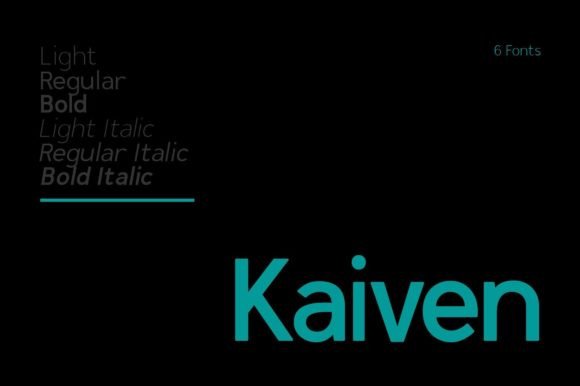
I was recently deep in the process of redesigning a lifestyle blog header, searching for a typeface that could bridge the gap between approachable warmth and professional clarity. The client wanted something clean but not sterile, modern but not cold. That is when I pulled Kaiven from my library of Fonts. As a very simple sans serif font, it immediately offered the structural integrity needed for a digital publication while maintaining a softness that invites reading. In the world of editorial design, finding a typeface that balances versatility with character is often the hardest part of the workflow, yet Kaiven seems to handle this effortlessly across light, regular, and bold weights.
Using Kaiven for Lifestyle Blog Headers and Digital Magazine Covers
When working on digital magazine covers or high-impact blog headers, the choice of Fonts dictates the entire mood of the piece before a single image is processed. Kaiven, being a very simple sans serif font, excels in these display roles because it does not compete with photography; instead, it frames it. I tested the bold weight of Kaiven against a series of minimalist food photography shots for a recipe ebook concept, and the results were striking. The geometric simplicity of the letters allowed the textures of the ingredients to shine through, while the clean lines of this Sans Serif provided a contemporary edge that feels native to modern web design.
The versatility mentioned in the description of Kaiven is not just marketing fluff; it is a practical asset for publishers who need to maintain brand consistency across different platforms. Whether you are creating a thumbnail for a YouTube tutorial or a banner for a newsletter graphic, the uniform stroke width ensures legibility even at smaller sizes. Unlike some decorative display fonts that lose their charm when scaled down, Kaiven retains its shape and authority, making it an excellent choice for content creators who need their typography to work as hard as their copy.
Establishing Visual Hierarchy with Light, Regular, and Bold Weights
One of the most critical aspects of building a cohesive publication identity is establishing a clear visual hierarchy, and this is where the three specific thicknesses of Kaiven become invaluable. In a recent coaching workbook layout, I utilized the light weight for subtle section dividers and introductory text, creating a sense of airiness that prevented the pages from feeling dense. The regular weight served as the anchor for subheadings, guiding the reader's eye naturally through the curriculum without shouting for attention. Finally, the bold weight was reserved for chapter titles and key takeaways, providing the necessary contrast to signal importance.
This triad of weights allows designers to create sophisticated layouts without needing to introduce conflicting typefaces. When you rely on a single family of Fonts like Kaiven, you reduce the cognitive load on your reader. They are not distracted by clashing styles; instead, they are led through the content by the subtle shifts in line weight. This is particularly effective in printable planners and worksheets where clarity is paramount. The transition from light to bold in this Sans Serif family is smooth and logical, supporting a reading experience that feels curated and thoughtful rather than chaotic.
Kaiven for Wedding Guides and Elegant Branding Projects
While minimalism is often associated with tech startups or corporate reports, there is a growing trend toward clean, elegant aesthetics in the wedding industry, and Kaiven fits this niche perfectly. For a digital wedding guide I was typesetting, the goal was to convey sophistication without the formality of traditional serif typefaces. The simple nature of this Sans Serif font brought a modern, chic vibe to the invitation suite and the accompanying itinerary. It proved that a font described as "very simple" can still carry a significant emotional weight when paired with ample white space and high-quality paper textures.
In terms of branding, Kaiven offers a neutral canvas that allows a brand's color palette and imagery to take center stage. For independent content brands and course creators, having a logo and header font that does not date quickly is essential. Kaiven's lack of excessive ornamentation means it will likely remain stylish for years, protecting the long-term value of your design assets. Whether used for a boutique skincare label or a high-end interior design portfolio, the clean lines of Kaiven suggest precision and care, qualities that potential clients always look for.
Readability Considerations for Screen Reading and PDF Exports
As we shift more of our consumption to screens, the readability of Fonts on backlit displays has become a primary concern for publishers. Kaiven performs exceptionally well in digital environments, from mobile newsletters to desktop PDFs. The open counters and distinct letterforms ensure that characters remain distinguishable even on lower-resolution screens or when viewed on a smartphone during a commute. However, like many sans serif fonts designed for display, it is important to consider its role in long-form body copy. While the regular weight is legible, for dense paragraphs in a novel or a lengthy report, pairing Kaiven with a highly readable serif font for the body text might offer a more comfortable reading rhythm.
For editorial feature pages and online articles, Kaiven shines in pull quotes and sidebars. These elements require a font that can stand alone and grab attention without overwhelming the main narrative. The structural honesty of this Sans Serif makes it perfect for highlighting key insights in a business article or emphasizing a touching moment in a personal essay. When exporting these layouts to PDF for client review or download, the vector quality of Kaiven ensures crisp edges at any zoom level, maintaining the professional polish that paying customers expect from premium digital products.
Practical Font Pairing Strategies for Editorial Layouts
To truly unlock the potential of Kaiven, one must consider how it interacts with other typefaces in a layout. Because it is a very simple sans serif font, it acts as a versatile partner for a wide range of companions. For a classic editorial look, try pairing the bold weight of Kaiven with a traditional serif font for the body copy; this creates a timeless contrast that suggests authority and tradition while keeping the headers modern. Alternatively, for a ultra-modern, brutalist aesthetic, pair Kaiven with a monospaced font for captions and data tables. This combination works wonders for tech blogs and architecture portfolios.
When designing social media graphics or Instagram carousels, consistency is key. Using Kaiven for both the cover slide and the internal text slides creates a unified brand voice that followers instantly recognize. The three available weights allow for enough variation to keep the design interesting without breaking the visual thread. Before finalizing any commercial project, whether it is a paid newsletter template or a printed zine, always verify the licensing terms included with your download of Fonts like Kaiven. Ensuring you have the correct commercial license for your specific use case—be it web embedding, app integration, or physical merchandise—is the final step in a professional design workflow.
Ultimately, Kaiven represents that rare find in typography: a tool that disappears into the work, letting the content speak while providing a sturdy, elegant framework. Its ability to adapt to any purpose, from a wedding invite to a software interface, makes it a staple worth investing in for any serious designer or publisher looking to elevate their visual communication.