Designing with Arestapolus: A Vintage Sans Serif for Modern Layouts
I was staring at a blank canvas last Tuesday, trying to finalize the cover design for a new lifestyle ebook about slow living and home cooking. The content was warm and inviting, filled with stories of Sunday mornings and handwritten recipes, but every Fonts choice I made felt either too rigid or too messy. I needed something that bridged the gap between nostalgic charm and contemporary clarity. That is when I opened my library and selected Arestapolus, a typeface that immediately changed the mood of the entire project.
Why Arestapolus Works for Vintage-Inspired Branding
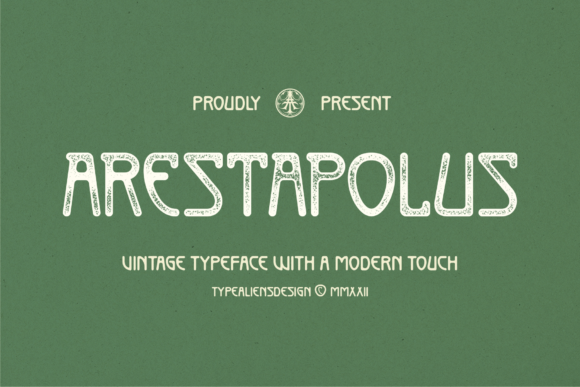
When you first load Arestapolus into your design software, you notice it is not just another generic Sans Serif. As described in its foundation, Arestapolus is a vintage font with a slightly modern style, a font that is primarily a sans serif font with rounded corners. Because it has a modern touch, besides being suitable for vintage designs, it offers a unique versatility that few other typefaces possess. For a brand identity that wants to feel established yet approachable, this balance is crucial. The rounded corners soften the geometric structure, removing the coldness often associated with standard sans serifs, while the vintage roots give it a soul that feels lived-in and authentic.
In my recent project, I used Arestapolus for the main title of the ebook. The result was instantaneous warmth. It did not scream for attention like a bold display font might; instead, it whispered an invitation to read. This makes it an exceptional choice for coaches, creators, and small business owners who are building a brand around trust and comfort. Whether you are designing a logo for a boutique bakery or a header for a wellness newsletter, the personality of Arestapolus aligns perfectly with audiences seeking genuine connection.
Creating Readable Headers for Digital Magazines and Newsletters
One of the biggest challenges in editorial design today is maintaining readability across different devices while keeping a strong visual hierarchy. Fonts that look stunning on a desktop monitor can sometimes lose their character on a mobile screen. However, the clean lines of this Sans Serif ensure that Arestapolus remains legible even at smaller sizes. I tested it extensively for a digital magazine layout, using it for section headers and pull quotes. The spacing between the letters felt natural, preventing the text from looking cramped on smartphone displays.
For newsletter writers, the header is the first thing a subscriber sees. Using Arestapolus here sets a tone of curated elegance without feeling overly formal. It works beautifully for weekly digests, course PDFs, or printable guides where the goal is to guide the reader through content smoothly. The slight modern touch ensures that the design does not feel dated, keeping your publication looking fresh and relevant even as trends shift. When paired with a clean, neutral body text, Arestapolus creates a professional yet friendly rhythm that encourages subscribers to keep scrolling.
Pairing Arestapolus with Serif Fonts for Editorial Depth
No font exists in a vacuum, and the true magic of Arestapolus shines when you consider font pairing. Because it carries both vintage and modern traits, it plays well with a variety of typefaces. For long-form content like ebooks or whitepapers, I recommend pairing this Sans Serif with a classic serif font for the body copy. The contrast between the rounded, geometric shapes of Arestapolus in the headings and the traditional strokes of a serif in the paragraphs creates a sophisticated visual dynamic.
This combination is particularly effective for wedding guides, coaching workbooks, or culinary journals. Imagine a recipe page where the ingredient list and instructions are in a readable serif, but the recipe title and chapter opener are set in Arestapolus. The result is a layout that feels structured yet organic. It allows the designer to establish a clear hierarchy, guiding the eye naturally from the most important information to the supporting details. This thoughtful approach to typography elevates the perceived value of your digital products, making them feel like premium publications rather than simple documents.
Enhancing Visual Identity for Printables and Social Media Graphics
Beyond long-form reading, Fonts play a massive role in social media graphics and printable sellers' assets. The rounded corners of Arestapolus make it incredibly versatile for Instagram stories, Pinterest pins, and YouTube thumbnails. Its vintage aesthetic taps into the current trend of nostalgia, which is dominating social feeds, while the modern execution ensures it stands out against high-resolution photography. When creating marketing materials for a course launch or a new product drop, using Arestapolus can help unify your visual identity across all platforms.
For those selling printable planners or wall art, the weight and style of this typeface offer excellent print quality. It holds up well when printed on textured paper or cardstock, adding a tactile feel to the design. Before finalizing any commercial project, however, it is always wise to check the specific licensing terms included with the font file. Ensure that the license covers your intended use, whether it is for client work, unlimited digital downloads, or physical merchandise. Paying attention to these details, along with checking for multilingual support and available weights, ensures that your investment in Arestapolus pays off in the longevity and professionalism of your brand.
Ultimately, choosing the right typeface is about more than just aesthetics; it is about communication. Arestapolus communicates warmth, reliability, and a touch of timeless style. Whether you are redesigning a blog, launching a new ebook, or refreshing your brand identity, this font provides the perfect foundation for a story well told.